Five-year NIH grant supports collaborative research into rejuvenating the aging brain
Scientists at UC Santa Cruz, UC Berkeley, and Stanford are working together to discover and treat the causes behind age-associated cognitive decline.

Scientists at UC Santa Cruz, UC Berkeley, and Stanford are working together to discover and treat the causes behind age-associated cognitive decline.
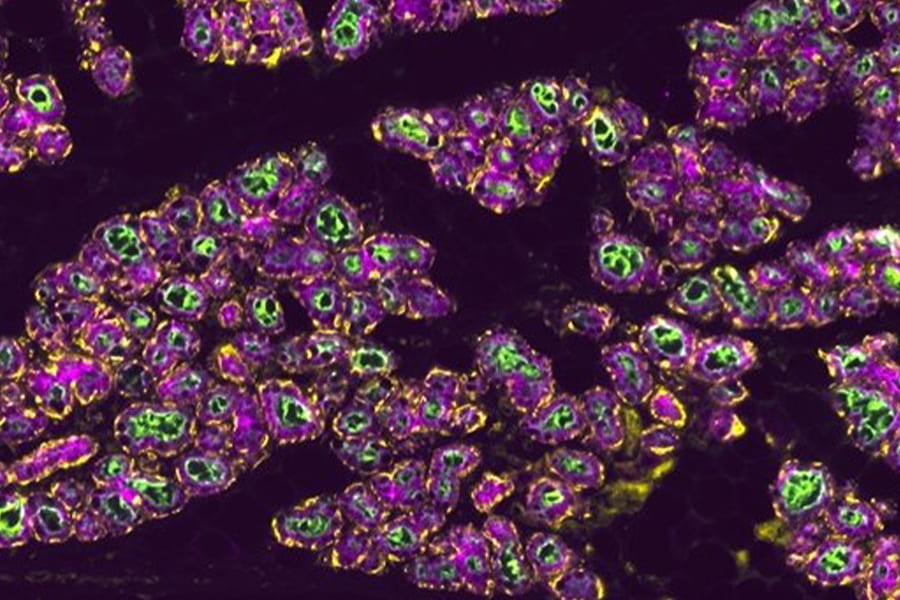
Jeremy Sanford, professor of molecular, cell, and developmental biology at UC Santa Cruz, has received major funding from the National Cancer Institute for research on the role of protein-RNA interactions in cancer.
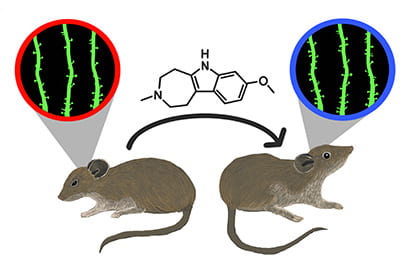
Free of toxic and hallucinogenic side effects, the psychedelic analog ibogaine-inspired tabernanthalog (TBG) shows promise as a potential treatment for the detrimental effects of stress on the brain.
Meet UC Santa Cruz senior Arcelia Gonzalez Jimenez, who found a way to help with the COVID–19 pandemic by joining the first cohort of students trained to help run the campus’s asymptomatic testing program.
Can we safely visit our aging parents or grandparents after they are vaccinated? Can the vaccines protect us against the troubling new COVID variants that are arising around the globe? UC Santa Cruz infectious disease expert A. Marm Kilpatrick explored these pressing issues during a Zoom-based lecture on COVID.
When the body’s immune response to an infection gets out of control, the result can be a life-threatening condition known as sepsis. In a new study, researchers at UC Santa Cruz have identified a long noncoding RNA (lncRNA) molecule that has surprising effects on the immune system and susceptibility to septic shock.
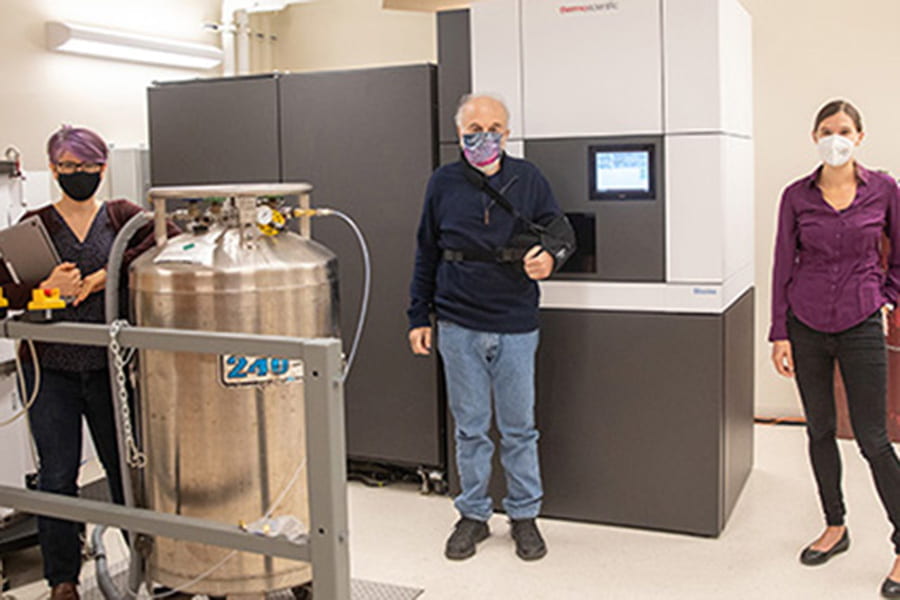
With major funding from NIH, researchers at UC Santa Cruz have acquired powerful imaging tools for studying the structures of biomolecules and their roles in disease.
Funding will support Lindsay’s research on how milk supply is generated during pregnancy and why some women experience lactation insufficiency.
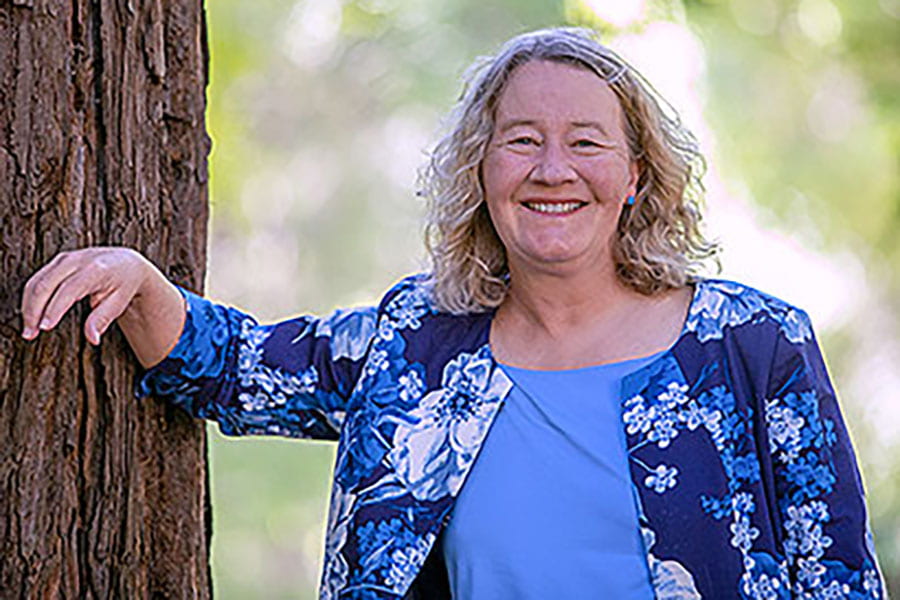
Known for her pioneering work on telomeres, Greider brings exceptional research and leadership skills to her appointment in the Department of Molecular, Cell, and Developmental Biology.
Original story from UCSC Newscenter.
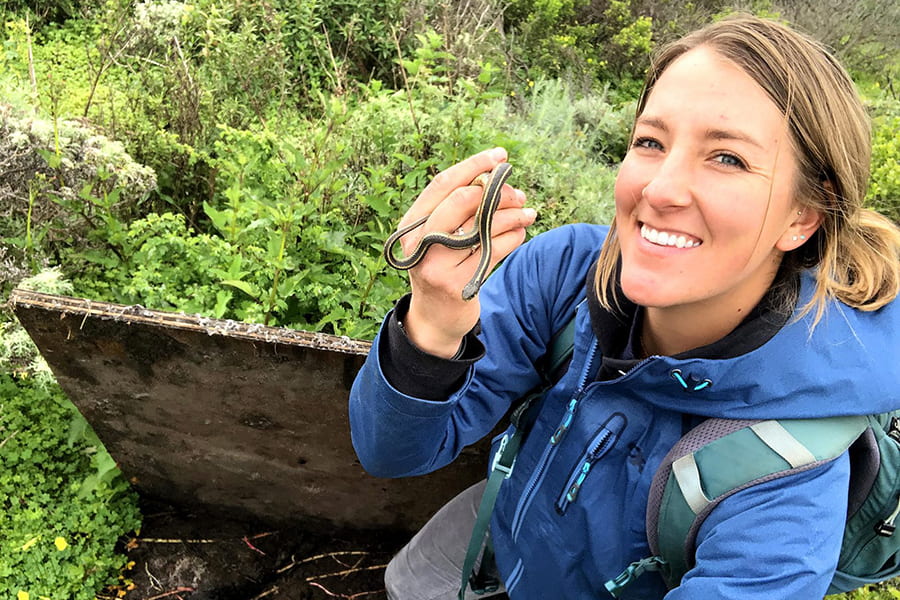
At first blush, the hillsides, shorelines, and meadows of reserves might seem extremely safe places to be during the outbreak of an airborne pathogen. But the limited facilities at reserves mean visitors typically share close quarters.
Original story from UC Natural Reserve System.
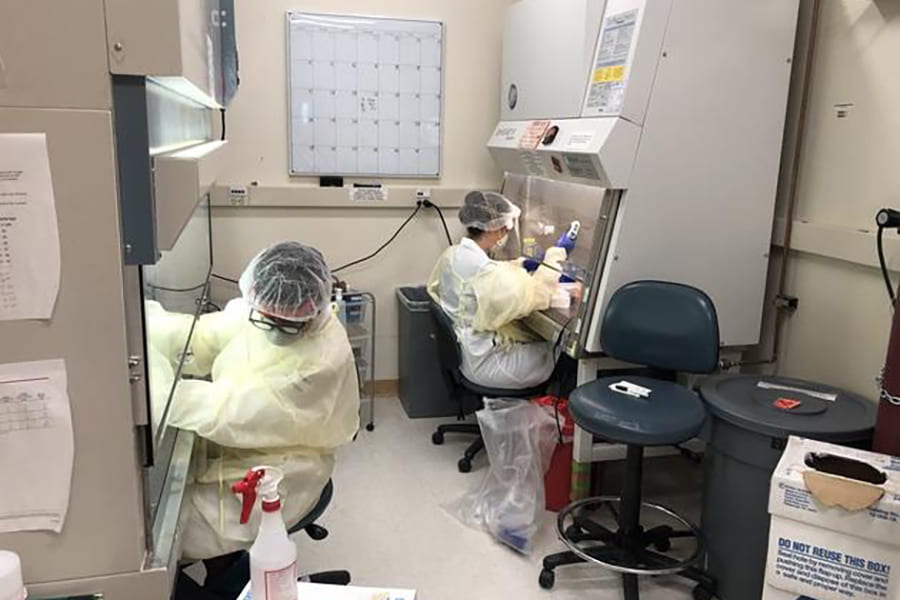
In Santa Cruz County, they should be testing just over 400 people a day. Right now, on average, the county says it’s doing about 167 tests per day. But one newly created lab at UC Santa Cruz is hoping to help the county reach that goal.
Original story from KAZU.
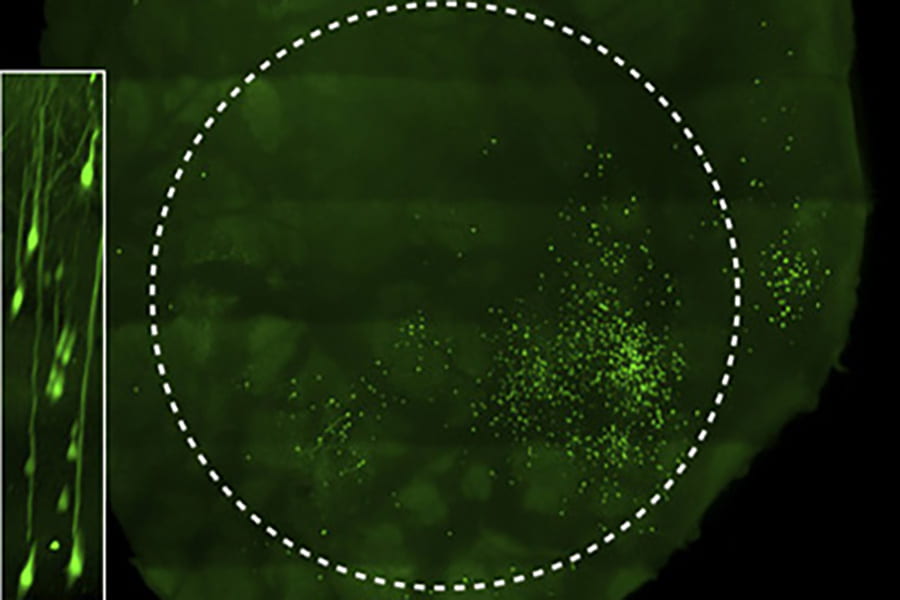
Researchers used a combination of techniques to identify different neuronal cell types and trace their connectivity within the mouse visual cortex.
Original Story from UCSC Newscenter.