Breaking barriers, helping others up
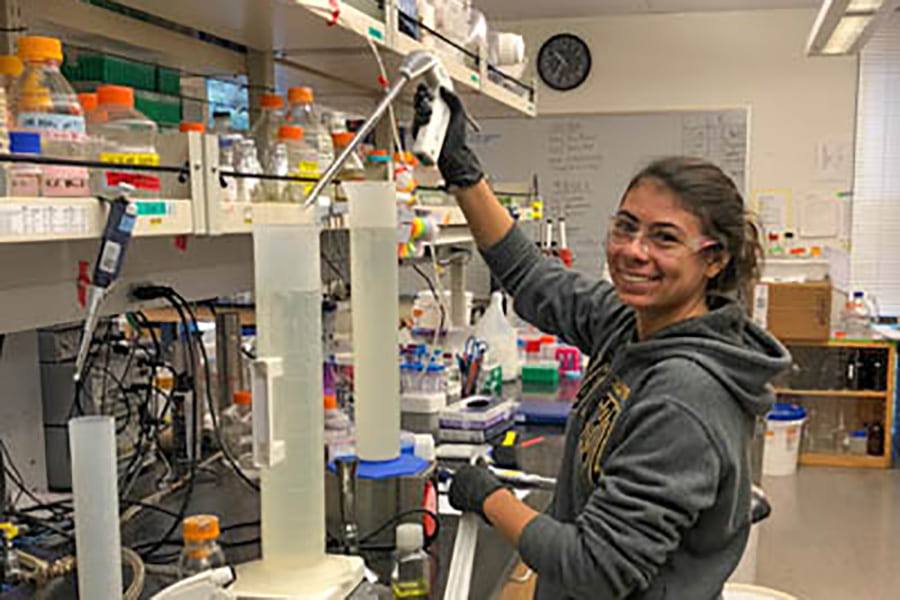
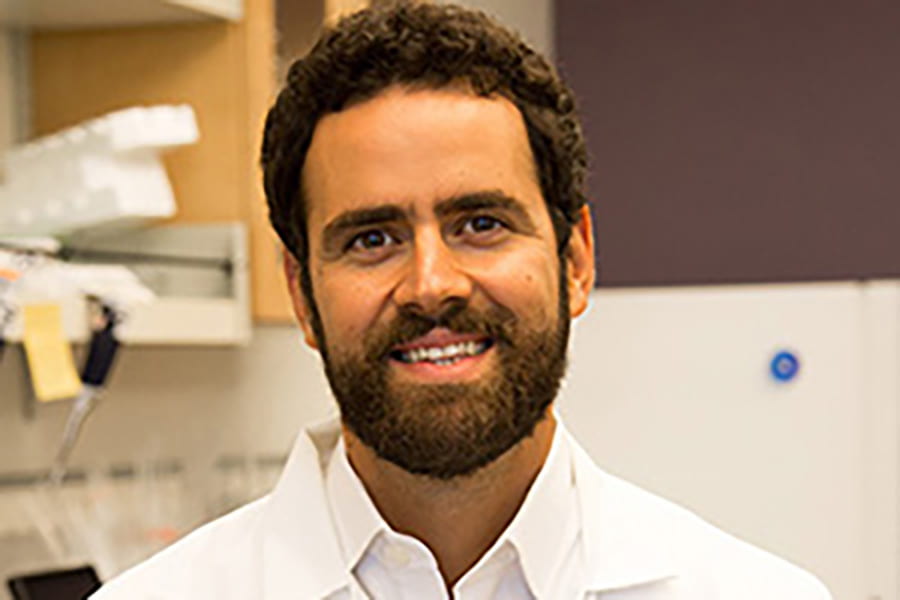
UC Santa Cruz chemistry associate professor Laura Sanchez reflects on what helped her succeed and how she has tried to help others do the same

UC Santa Cruz chemistry associate professor Laura Sanchez reflects on what helped her succeed and how she has tried to help others do the same
Diversity among graduate student teaching assistants (TAs) may be among the most essential factors in retaining underrepresented minority undergraduate students in science, technology, engineering, and mathematics (STEM) courses, according to statistical evidence from a new study set to publish in the August issue of the Economics of Education Review.
Original story from UCSC Newscenter.
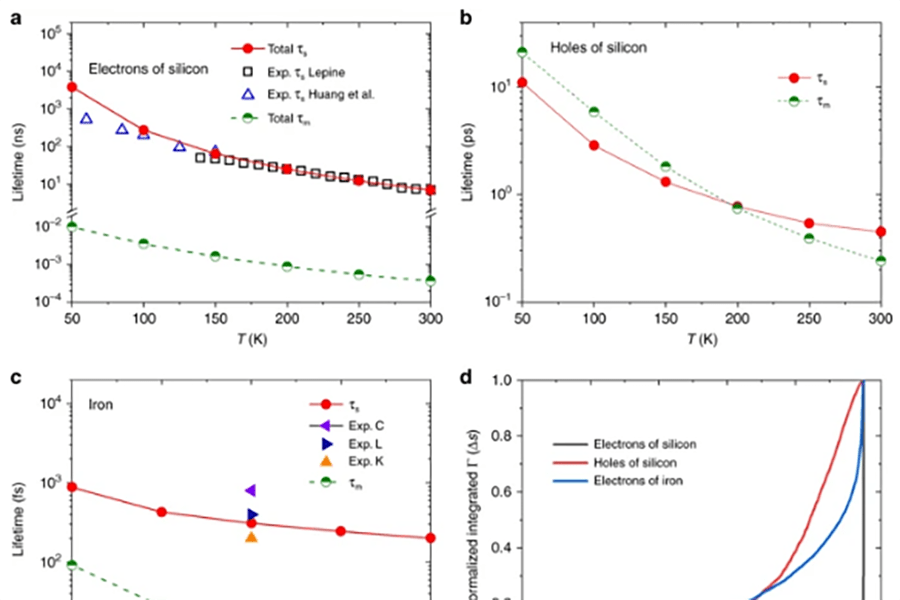
Universal first-principles approach will accelerate the identification and design of materials for quantum information science and other spintronics applications.
Original story from UCSC Newscenter
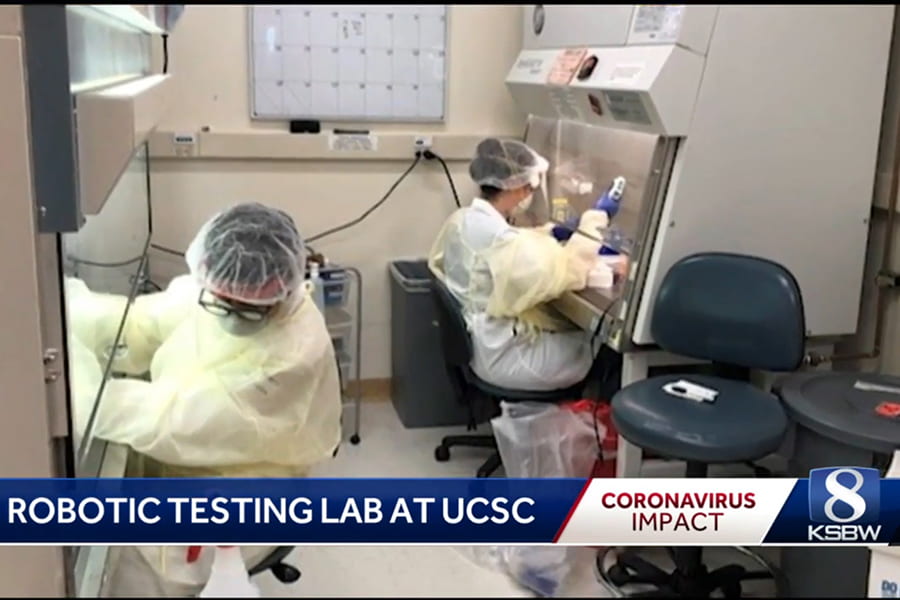
In Santa Cruz County, they should be testing just over 400 people a day. Right now, on average, the county says it’s doing about 167 tests per day. But one newly created lab at UC Santa Cruz is hoping to help the county reach that goal.
Original story from KAZU.
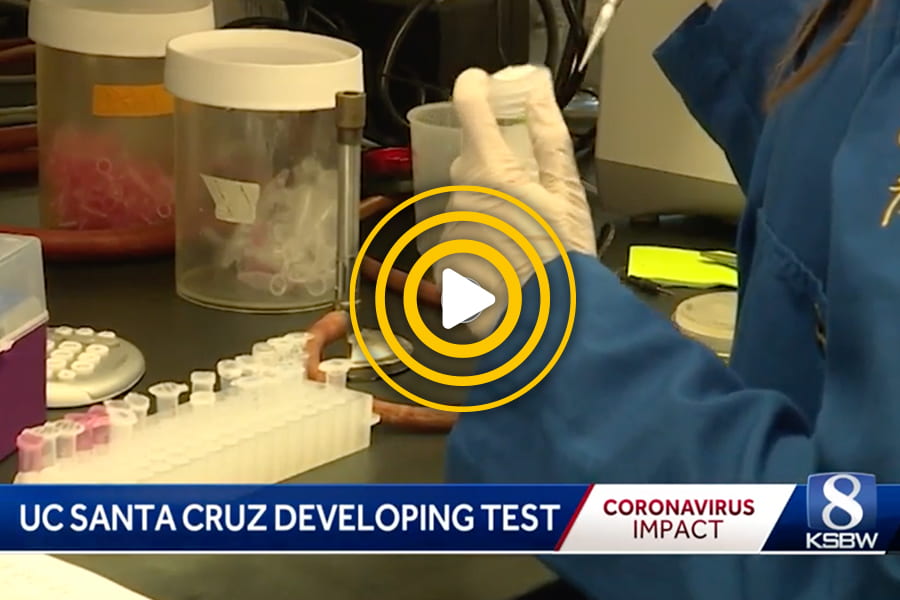
Scientists at the University of California, Santa Cruz have been working hard to set up a lab to test for coronavirus in the community and it has finally paid off.
Original story from KSBW.
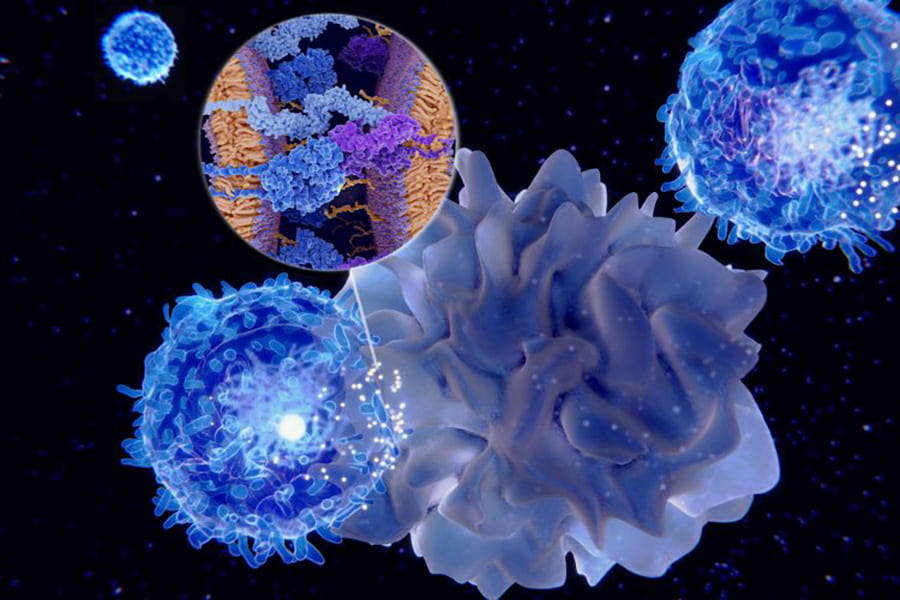
The developers of a novel method to create immunological assay probes for screening T cells has leveraged their new protocol against COVID-19.
Original story from Drug Target Review.
Technical innovation enables rapid assessment of T cell repertoires for research and diagnostics, with potential applications in studying COVID-19 immune responses.
Original story from UCSC Newscenter.
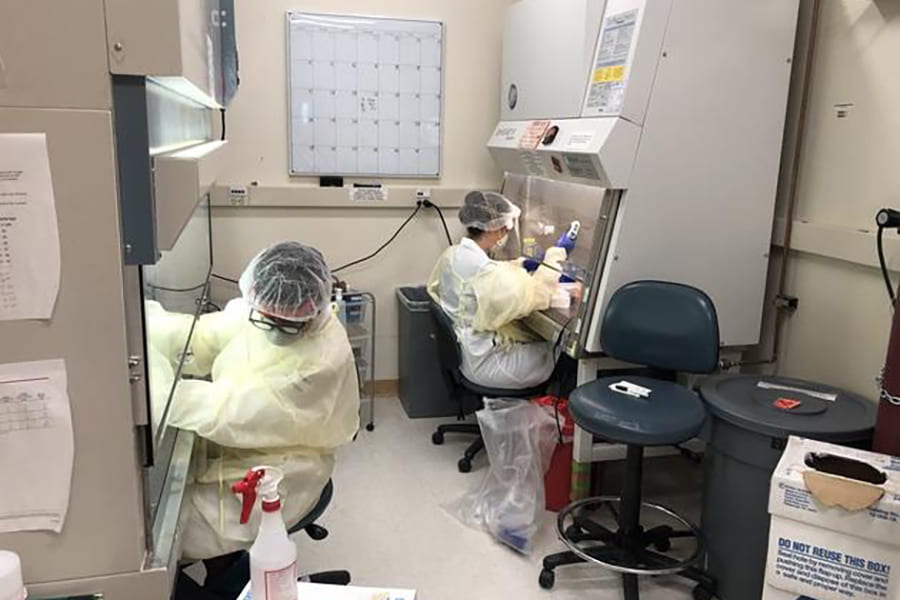
While doctors and nurses treat COVID-19 patients on the front lines, behind the scenes scientists are working hard in their labs to come up with ways to battle the pandemic. A team of UC Santa Cruz scientists are targeting high capacity coronavirus diagnostic testing with 24-hour turnaround that will meet the needs of community in the County of Santa Cruz.
Original story from KSBW.
An NIH-funded team has some new clues based on evidence showing how a molecular “switch” wired into the biological clocks of extreme early risers leads them to operate on a daily cycle of about 20 hours instead of a full 24-hour, or circadian cycle.
Original story from NIH Director’s Blog.
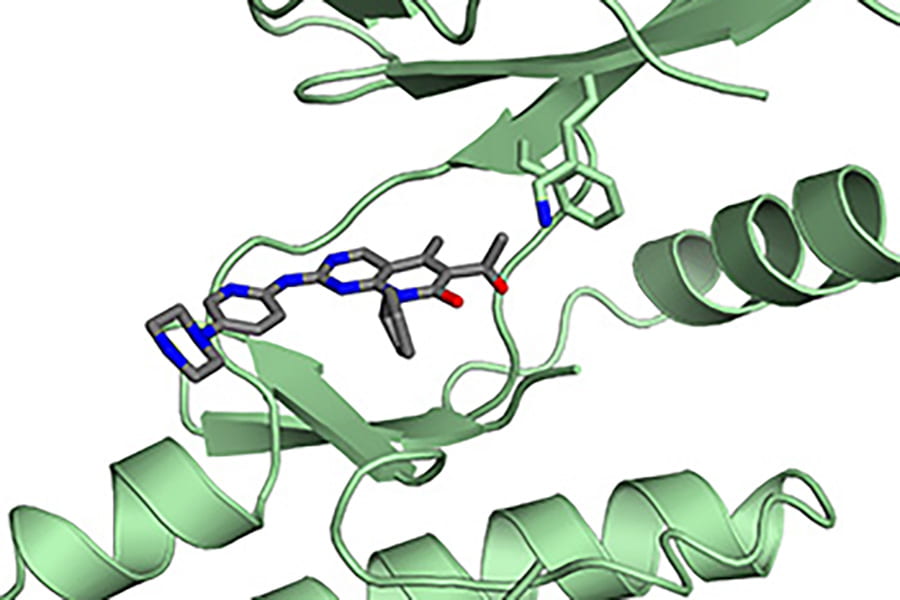
Palbociclib is clinically approved for use in treating breast cancer, but according to a new study, the molecular mechanism behind the drug’s effectiveness is not what scientists had thought it was.
Original story from UCSC Newscenter.
UCSC Newscenter — All alumnus Patrick Bailey needed was some support, which he found in the Summer Research Experience program at UC Santa Cruz; this year, he defied the odds by earning a Ph.D. in Biochemistry & Molecular Biology, and is now doing cancer research.
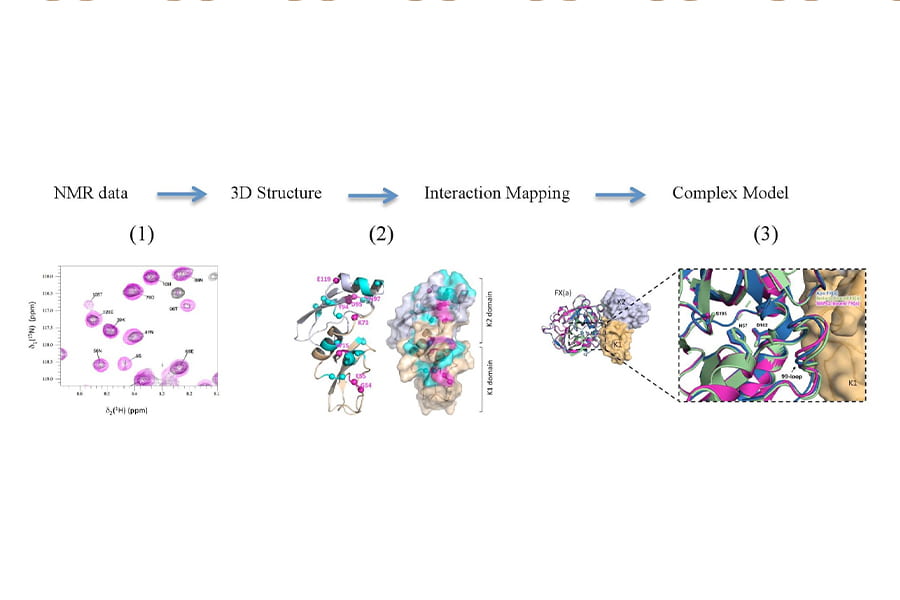
Medical Xpress — A collaboration between researchers from Brazil and the United States may open new avenues for the treatment of thrombosis, the leading cause of death among cancer patients. In a study to be published in Blood, the scientists describe the Ixolaris structure, an important anticoagulant protein found in tick saliva, and its interaction with Factor Xa, a key enzyme in the process of blood clotting.