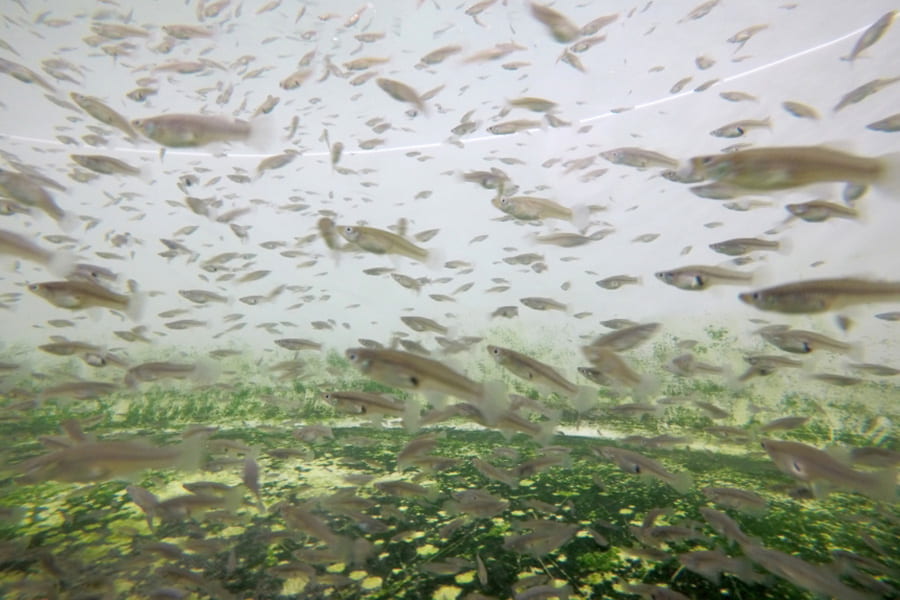
Here’s how we help an iconic California fish survive the gauntlet of today’s highly modified waterways
New ‘facilitated migration’ framework gives water managers a playbook for getting more juvenile Chinook salmon from the Central Valley to the sea

New ‘facilitated migration’ framework gives water managers a playbook for getting more juvenile Chinook salmon from the Central Valley to the sea
Animal research on biomusicality, which looks at whether different species are capable of behaving in ways that show they recognize aspects of music, including rhythm and beat, remains a tantalizing field at the intersection of biology and psychology. Now, the highly trained California sea lion at UC Santa Cruz who achieved global fame for her ability to bob her head to a beat is finally back: starring in a new study that shows her rhythm is just as precise—if not better—than humans.
Dungeness crab, Pacific herring, and red abalone are among the marine species most vulnerable to the changing climate’s effect on California’s coastal waters, a new study led by UC Santa Cruz researchers finds.
A UC Santa Cruz scientist who specializes in research at the intersection of big data and marine-life conservation has contributed to a new study that shows the vast majority of “hotspots” where ships collide with whales in the world’s oceans lack protections for the majestic giants.
Dan Costa, distinguished professor of ecology and evolutionary biology and director of UC Santa Cruz’s Institute of Marine Sciences, has been named a 2024 Fellow of the Ecological Society of America.
A new study led by a scientist at UC Santa Cruz’s Institute of Marine Sciences finds that blue whales, tunas, and other top predators in the northeast Pacific Ocean face greater risk of harm from industrial fishing than previously thought.
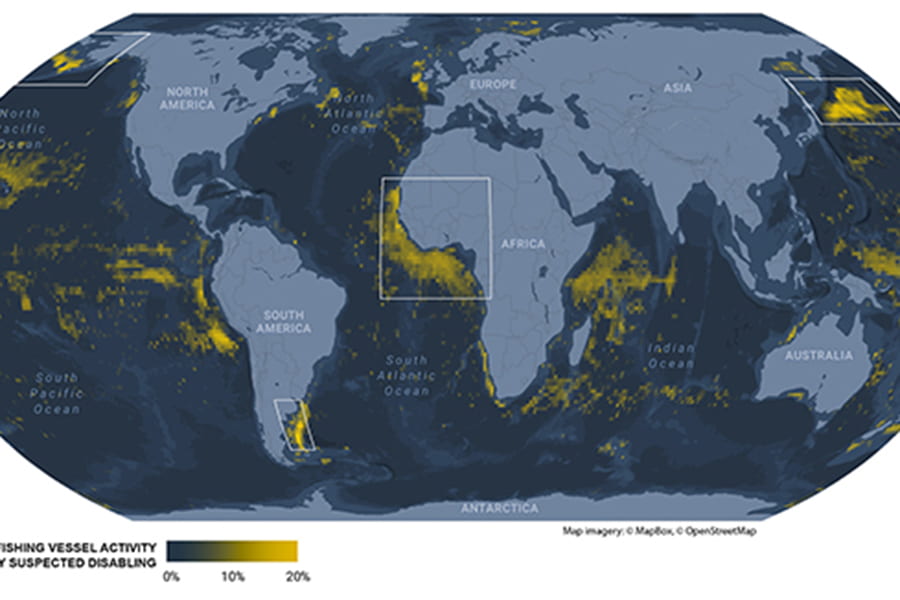
A new dataset of intentional disabling of Automatic Identification System devices by fishing vessels provides insights into illegal, unreported, and unregulated fishing activity
Daniel Costa, distinguished professor of ecology and evolutionary biology and director of the Institute of Marine Sciences, has received the 2021-22 Outstanding Faculty Award from the Division of Physical and Biological Sciences.
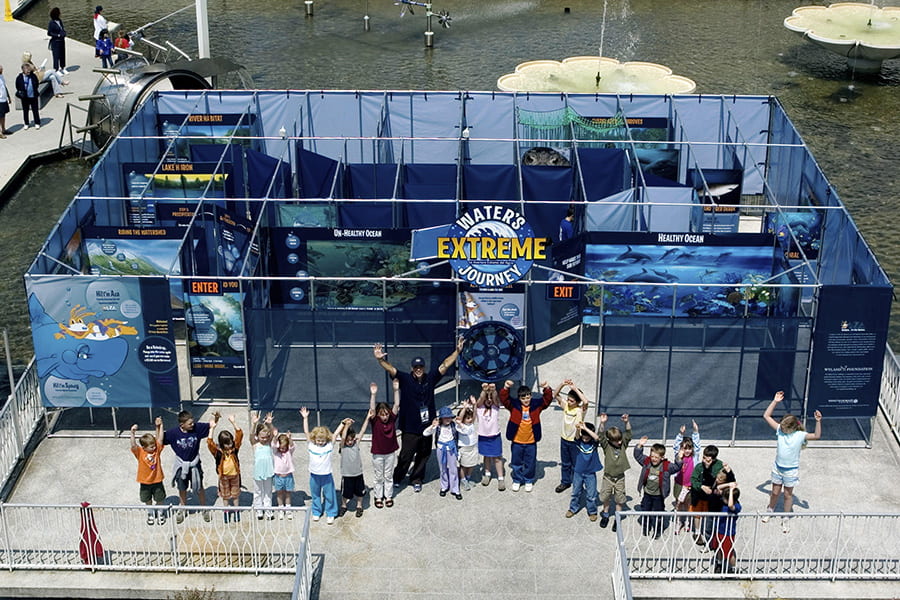
A new exhibit opening in September at the Seymour Marine Discovery Center features a maze and interactive activities highlighting the challenges of keeping our water clean.
The finalists for the John A. Knauss Marine Policy Fellowship program include UCSC graduate students Austen Stovall and Ellen Willis‑Norton.
The problem, experts say, is that the mosquitofish don’t discriminate between snacking on the rice-sized offspring of disease-ridden mosquitoes and critically endangered marine life
Healthy coastal wetlands can help combat climate change by absorbing large amounts of carbon dioxide from the atmosphere and storing it for the long term. A large interdisciplinary team is now working to help the wetlands maximize their impact.