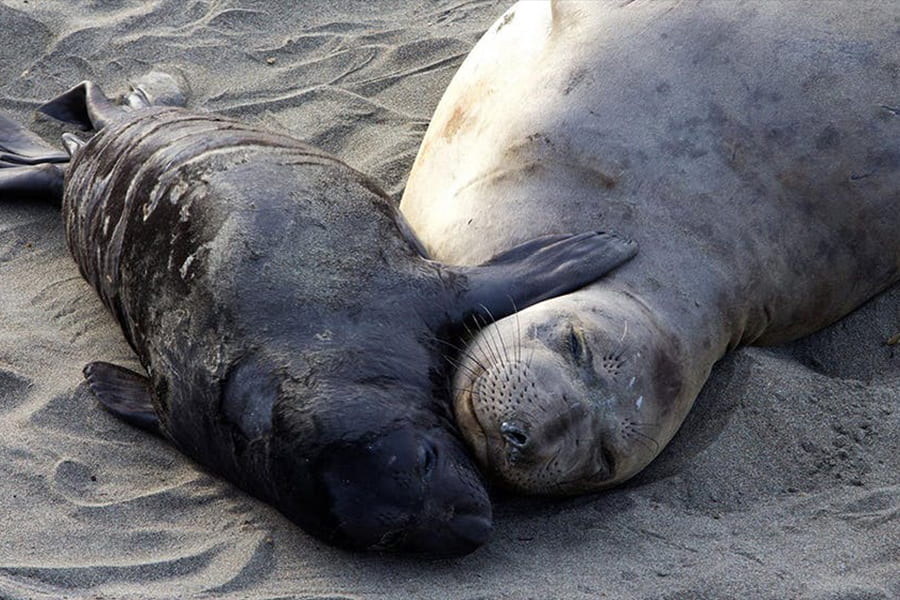
New book chronicles more than 50 years of elephant seal research at Año Nuevo Reserve
Professor Emeritus Burney Le Boeuf summarizes the findings of the UC Santa Cruz elephant seal research program, one of the longest running studies of any animal

Professor Emeritus Burney Le Boeuf summarizes the findings of the UC Santa Cruz elephant seal research program, one of the longest running studies of any animal
The National Oceanic and Atmospheric Administration (NOAA) has awarded its prestigious Bronze Award to three researchers affiliated with the Institute of Marine Sciences (IMS) at UC Santa Cruz
James Gilbert, an associate project scientist in the Institute of Marine Sciences (IMS) at UC Santa Cruz, was recognized by the NOAA Southwest Fisheries Science Center (SWFSC) with its Staff of the Quarter award
https://news.ucsc.edu/2021/05/salmon-streamflows.html
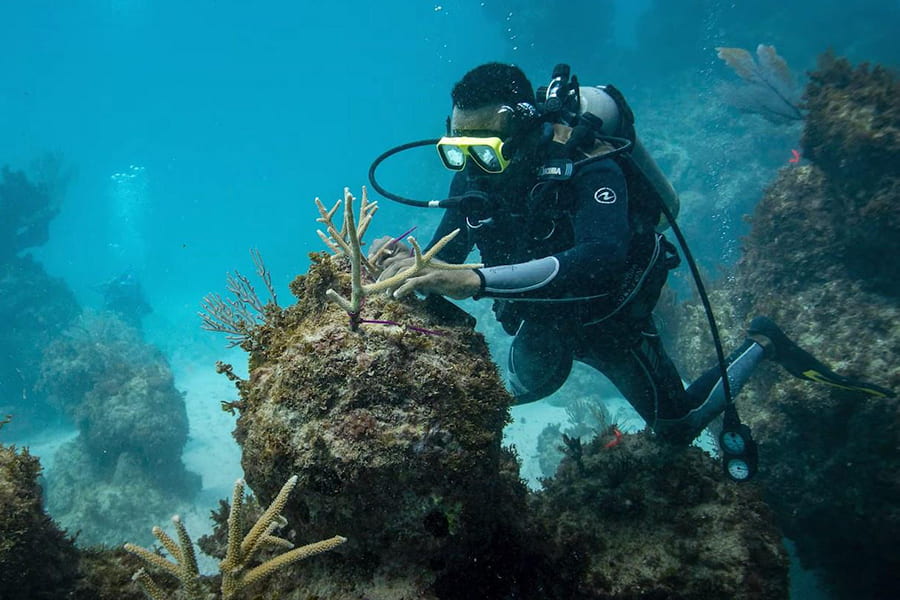
Federal money to restore coastal areas hit by hurricanes and other disasters doesn’t cover the loss of natural assets like coral reefs. UC Santa Cruz marine scientist Michael Beck says it’s time to change that.
Original story from LA Times.
New analysis of strontium isotopes reveals how the global carbon cycle has responded to changes in climate and sea level through geologic time.
Original story from UCSC Newscenter.
A global team of researchers has found overwhelming evidence that marine fauna and their ecosystems are negatively impacted by noise, which disrupts their behavior, physiology, and reproduction, and can even cause mortality.
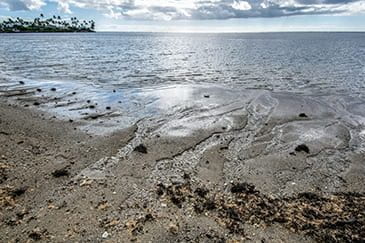
An invisible flow of groundwater seeps into the ocean along coastlines all over the world. Scientists have tended to disregard its contributions to ocean chemistry, but a new study finds groundwater discharge plays a more significant role than had been thought.
Original story from UCSC Newscenter.
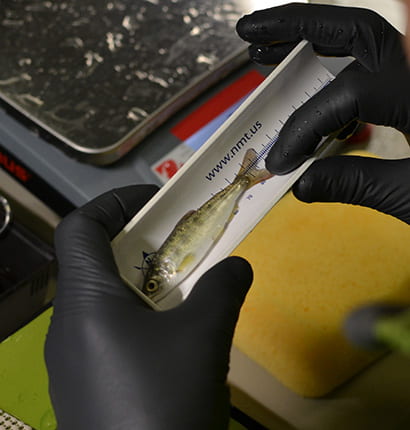
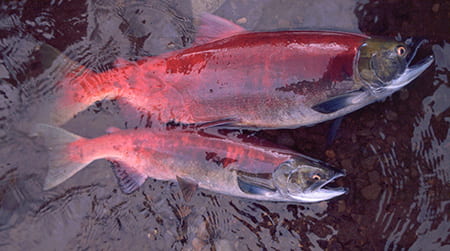
The size of salmon returning to rivers in Alaska has declined dramatically over the past 60 years because they are spending fewer years at sea, according to a new study. Salmon are critically important to both people and ecosystems in Alaska. Smaller salmon provide less food for people who depend on them, less value for commercial fishers, and less fertilizer for terrestrial ecosystems.
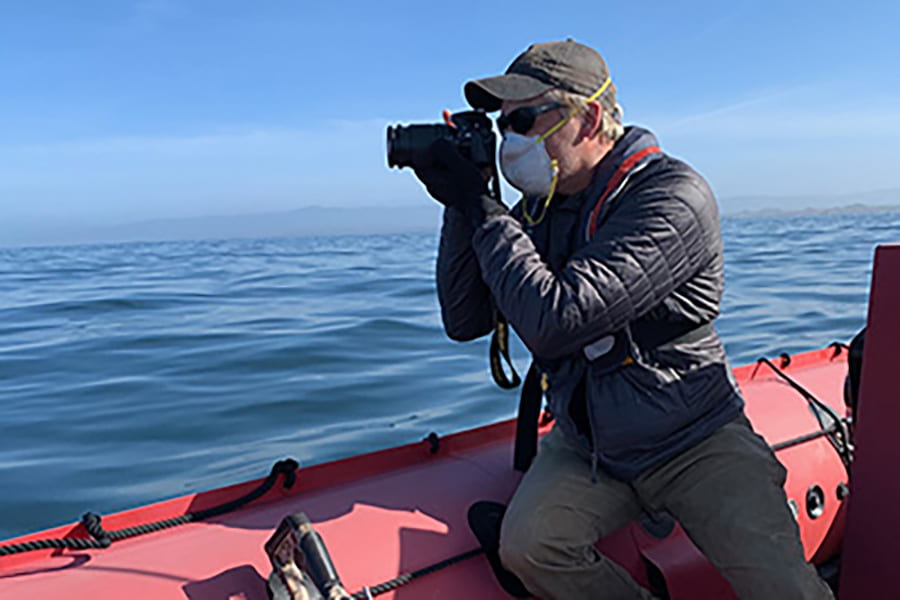
Whale researchers are taking advantage of changes in boat traffic in Monterey Bay during the pandemic to collect data on stress hormones in humpback whales.
Original story from UCSC Newscenter.
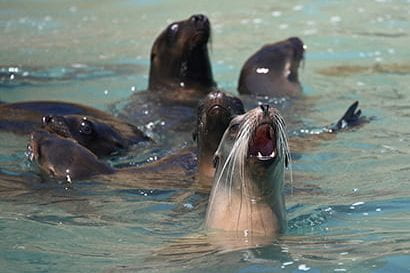
NatGeo — Nearly wiped out due to hunting in the early 1900s, the species is bouncing back—and these formidable parents may help explain why.
CNN — Ocean scientist Michael Beck wrote an opinion article for CNN about the importance of coral reefs and wetlands in protecting coastlines from storms.